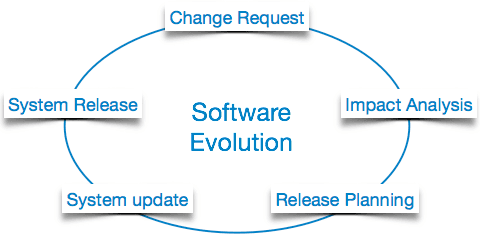
Software development has come a long way since the early days of computing. From simple programs that performed basic tasks to complex systems that drive modern technology, the evolution of software development has been nothing short of remarkable.
Early Days of Software Development
In the early days, software development was a niche field, with developers writing code in assembly language or machine code. These early programs were often limited in functionality and required significant effort to create and maintain.
The Rise of High-Level Languages
The introduction of high-level programming languages, such as Fortran, COBOL, and later C and Java, revolutionized software development. These languages allowed developers to write code more efficiently and abstracted away the complexities of low-level programming.
Agile and DevOps
In recent years, methodologies like Agile and DevOps have transformed software development. Agile emphasizes iterative development and collaboration, while DevOps focuses on integrating development and operations to streamline the software lifecycle.
Modern Software Development
Today, software development encompasses a wide range of technologies and practices. From web development to mobile app development, the possibilities are endless. Modern tools and frameworks, such as React, Angular, and Flutter, enable developers to create powerful and user-friendly applications.
Impact on Industries
Software development has a profound impact on various industries, including healthcare, finance, education, and entertainment. Innovations like telemedicine, online banking, e-learning platforms, and streaming services have reshaped how we live and work.
Conclusion
The evolution of software development continues to shape the future of technology. As new tools and methodologies emerge, developers are empowered to create innovative solutions that address the needs of our rapidly changing world.